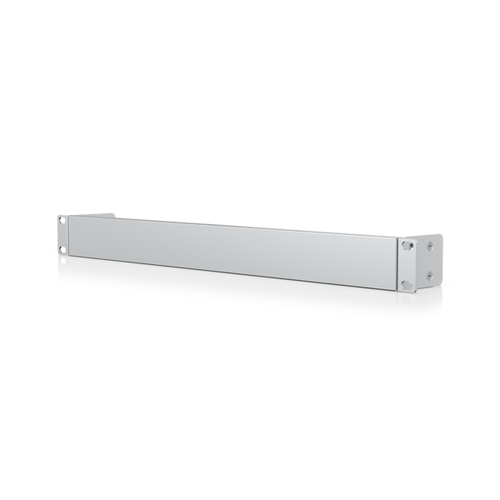
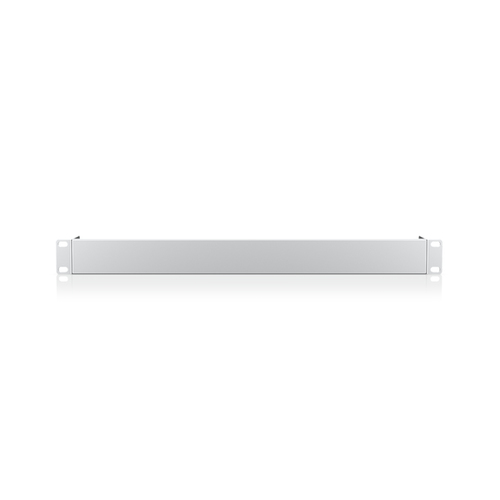
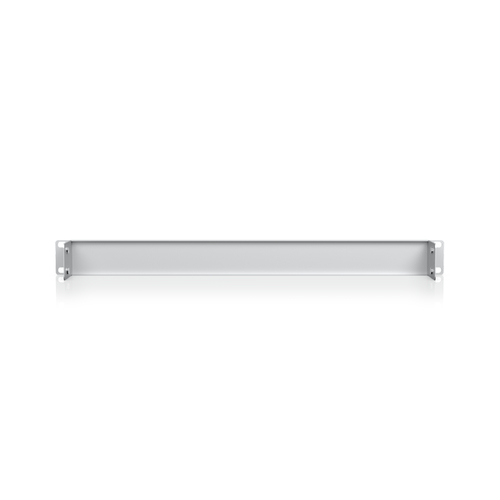
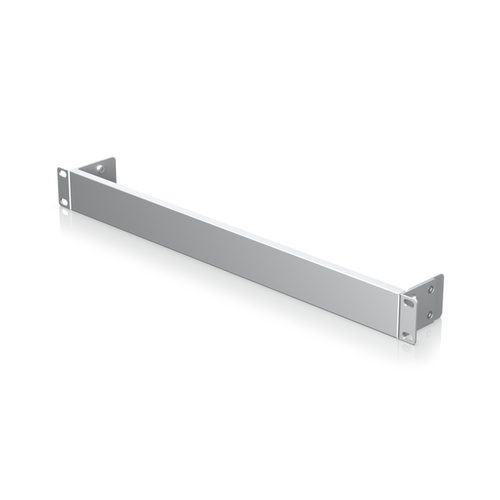
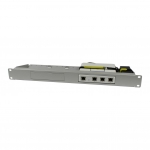
Eigenständiger Einsatz, der einfach in ein vorhandenes Netzwerkgeräte-Rack eingebaut werden kann, um ein klares, einheitliches Erscheinungsbild zu schaffen.
Ein 19?Zoll?Rack?Blank?Panel/Blindplatte von Ubiquiti zur Abdeckung ungenutzter 1?HE?Positionen in einem Server? oder Netzwerk?Rack.
Diese Blindblende wird in ein Netzwerk? oder Server?Rack eingesetzt, um ungenutzte Rack?Einheiten optisch abzudecken, eine einheitliche Front zu schaffen und bei Bedarf Luftströmung bzw. Belüftung zu verbessern, indem offene Slots geschlossen werden.
1HE
Geeignet für: IT-Schrank
Kompatibel mit: Toolless Mini Rack
Verwendungszweck: Einsatz im 1U-Format
Hauptmerkmale rn rn Merkmale rn Typ Blindplatte rn Produktfarbe Stahl rn Rack-Kapazität 1U rn rn Gewicht und Abmessungen rn Breite 442,4 mm rn Tiefe 63,5 mm rn Höhe 43,7 mm rn Gewicht 250 g rn rn Verpackungsdaten rn Menge pro Packung 1 Stück(e) rn rn Lieferumfang rn Montageset Ja rn Schnellinstallationsanleitung Ja rn
The Ubiquiti Networks UACC-RACK-PANEL-BLANK-1U is a 1U rack blank panel designed to provide a clean, professional finish for unused rack spaces in 19" network cabinets. As part of Ubiquiti's accessory ecosystem, this panel helps improve airflow management, protect internal components, and organize your rack layout visually and structurally.
From a technical perspective, the UACC-RACK-PANEL-BLANK-1U is designed for standard 1U height in a 19" rack environment, making it compatible with common network racks and cabinets in IT rooms, data centers, and office installations. It is a passive component with no electronics, focused on mechanical closure and cable-management-friendly rack completion. The panel is optimized to fit easily alongside Ubiquiti rack-mountable products such as UniFi or EdgeMax devices, but can also be used with third-party rack systems that adhere to the 19" standard.
Typical applications include covering unused front rack units to prevent dust intrusion, reducing visual clutter, and facilitating more controlled airflow from front to back through populated rack sections. This can help improve the cooling efficiency of active components by minimizing bypass air and encouraging directed airflow over switches, routers, and servers. In addition, blank panels support a more secure rack environment by discouraging access to open spaces and providing a more discreet, professional appearance in customer-facing installations such as offices, conference rooms, and reception areas.
The UACC-RACK-PANEL-BLANK-1U offers several benefits for both installers and end users. It contributes to better rack hygiene and organization, reduces dust accumulation on sensitive network equipment, and supports a tidy, branded appearance consistent with Ubiquiti's design language. Installation is straightforward and typically requires only standard rack mounting hardware, allowing technicians to quickly close off unused spaces or reconfigure as equipment needs change over time. Because it is a passive, robust accessory with no active electronics, it requires no maintenance and offers long service life.
Ubiquiti is known globally for its innovative networking solutions, including wireless access points, switches, routers, and surveillance systems aimed at both enterprise and prosumer markets. The company focuses on delivering high-performance, scalable infrastructure with an emphasis on centralized management and user-friendly interfaces. While detailed, product-specific sustainability data for this panel is not generally published, Ubiquiti's broader approach of developing reliable, durable infrastructure products can help reduce electronic waste over time, as stable, long-lived hardware typically needs replacement less frequently. By choosing a purpose-built accessory like the UACC-RACK-PANEL-BLANK-1U instead of improvised or short-lived solutions, customers support more orderly, efficient racks and potentially extend the lifespan of their active equipment through improved airflow and protection. In this way, the purchasing decision can contribute indirectly to more sustainable IT operations by supporting cleaner, more efficient, and longer-lasting network environments.