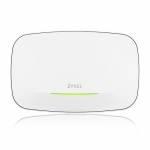
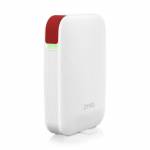
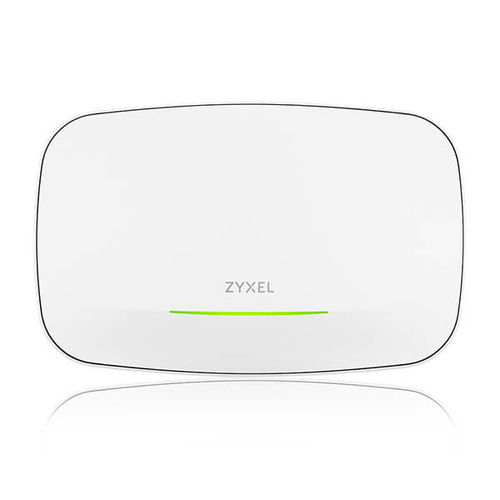
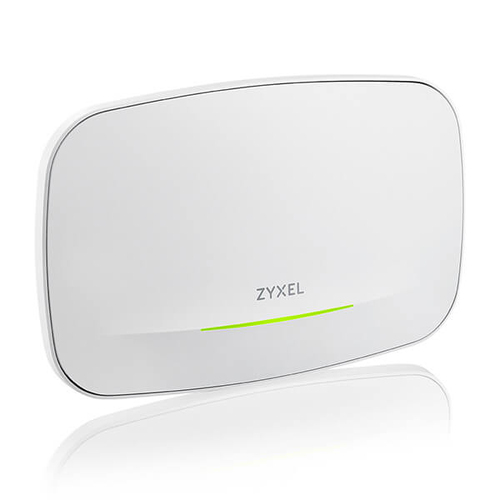
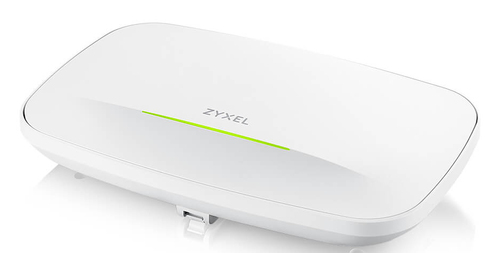
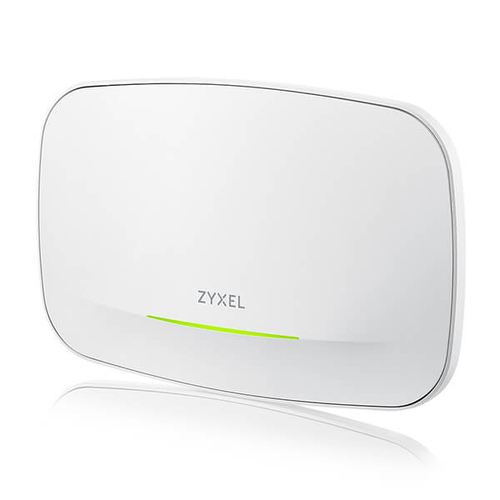
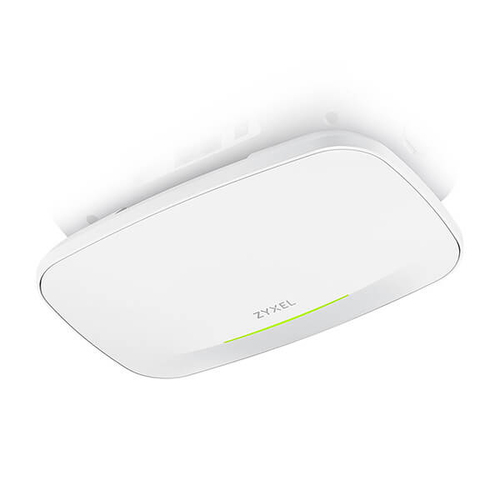
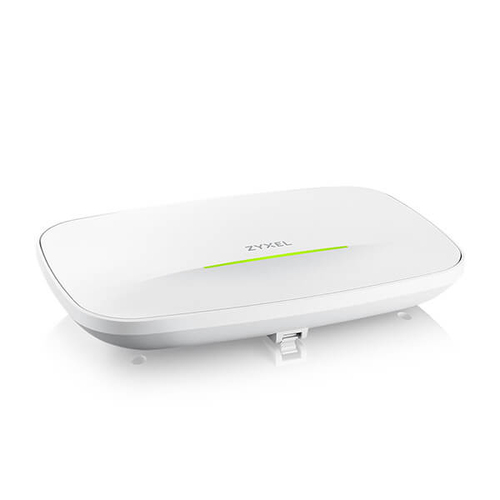
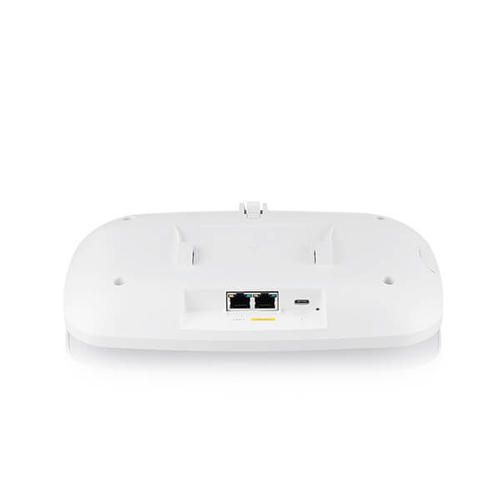
The NWA210BE 802.11be WifiNWA2 10BE-EU0101FAccessPoint from Zyxel is a modern wireless access point designed for professional and demanding network environments. As part of Zyxel's WiFi portfolio, it is aimed at companies, institutions and technically ambitious users who want reliable, high-performance WLAN based on current standards. The device supports the 802.11be Wi-Fi generation (often referred to as WiFi 7), which is engineered for very high data rates, low latency and efficient use of radio spectrum. Depending on the concrete configuration and environment, this access point can serve many simultaneous clients while keeping connections stable and responsive.
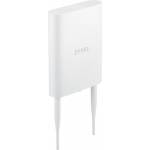
In terms of technical characteristics, the NWA210BE is designed as a ceiling- or wall-mountable access point for integration into existing Ethernet infrastructures. It operates within the 802.11be standard and is thus aligned with multi-gigabit WLAN scenarios, enabling very high theoretical gross throughput values and improved latency behavior compared to earlier WiFi generations. The device is optimized for dense deployment scenarios such as open-plan offices, educational institutions, or hospitality environments, where many end devices need to be supplied with data at the same time. Network management is typically carried out via Zyxel's management solutions; depending on the concrete variant and network design, it can be integrated into centralized management platforms in order to configure SSIDs, security settings, VLANs and firmware updates in a structured way.
Typical areas of application include small and medium-sized businesses, branch offices, schools, universities, hotels, cafés and other public or semi-public locations that want to provide fast, robust WiFi access to employees, guests or students. Thanks to the 802.11be basis, the access point is particularly suitable where demanding applications such as high-resolution video conferencing, cloud-based business software, collaboration tools, and data-intensive services need to run parallel on many devices. It can also be used in modern smart office environments with many IoT devices, as the radio efficiency of the new WiFi standard helps reduce bottlenecks and interference in busy radio environments.
The main advantages of the NWA210BE include high performance, improved spectral efficiency and better user experience in dense client scenarios. By using the 802.11be standard, the access point is designed to offer higher practical data rates and lower latency than earlier WiFi generations, which benefits time-critical applications and overall responsiveness. For IT departments and administrators, centralized manageability, support for enterprise-grade security configurations, and the ability to integrate the device into existing network architectures are key benefits. Companies investing in such modern access points can usually operate fewer devices for the same performance level compared with older generations, which may reduce operational complexity and susceptibility to failures.
Zyxel is an established manufacturer of network products that has been active in the market for many years and is known for solutions for small and medium businesses, service providers and home users. The portfolio includes access points, switches, security gateways and other infrastructure components that are often designed to work together in an integrated way. Zyxel has, in various product segments, emphasized energy efficiency (such as energy-saving features in switches and access points, or support for efficient PoE usage) and long product life cycles through firmware updates and continuous improvements, which can help extend the useful life of devices. By choosing a modern, efficient access point like the NWA210BE, customers contribute to more resource-efficient IT operation: more performance can be made available on fewer access points, which in many scenarios helps reduce hardware usage, energy consumption per transmitted data volume, and the need for frequent hardware replacements. In this way, purchasing this product can be a contribution to sustainable, forward-looking network infrastructure and support a responsible handling of resources.






 Network
18.937
- NAS/Storage 250- Power over Ethernet 67- Powerline 68- Repeater/Extender 151- Router/Switches 2.882- Video Surveillance 2.034- WLan 771- more Network 12.714Scanner 521Servers&Accessories 6.820Tablets 1.734
Network
18.937
- NAS/Storage 250- Power over Ethernet 67- Powerline 68- Repeater/Extender 151- Router/Switches 2.882- Video Surveillance 2.034- WLan 771- more Network 12.714Scanner 521Servers&Accessories 6.820Tablets 1.734